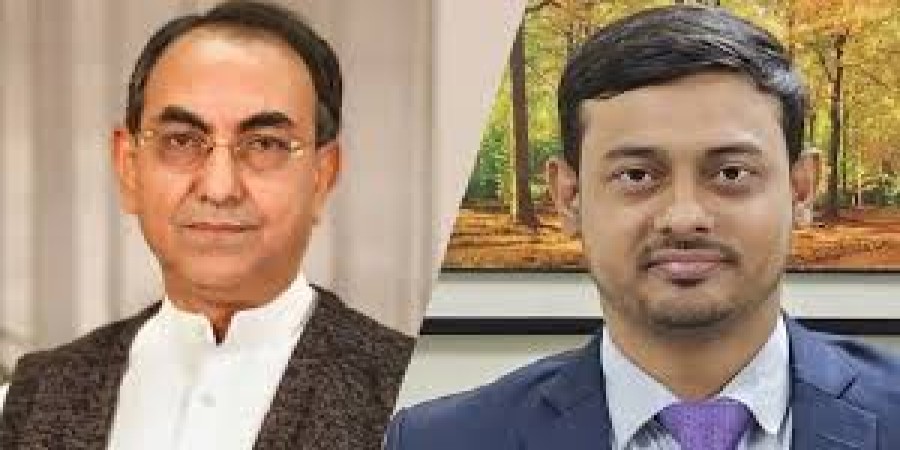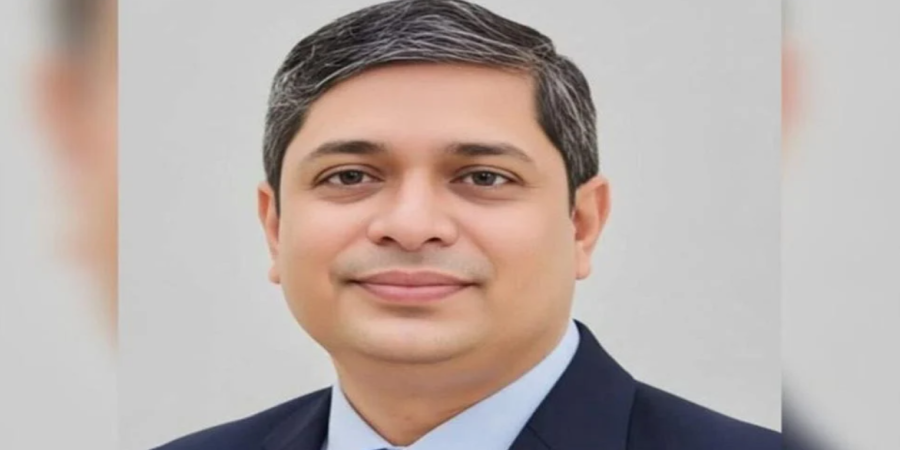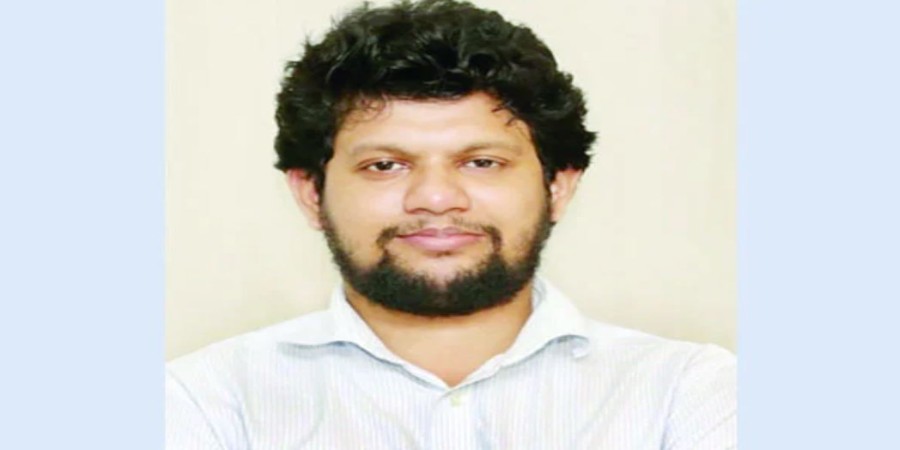
ছবি: মাহফুজ আলম।
Jamaat-e-Islami does not have a clear or coherent vision for Bangladesh’s political future, according to July uprising leader Mahfuz Alam, who argues that the party remains deeply embedded within the country’s old political framework. He believes Jamaat and the Awami League function as two sides of the same coin, suggesting that the survival of one political force ensures the continued relevance of the other. In his view, despite appearing ideologically opposed, both represent elements of the same entrenched political settlement that has long dominated Bangladesh’s governance. Mahfuz Alam maintains that forming political alliances with Jamaat cannot lead to a genuinely new political arrangement, as the party lacks clarity on fundamental issues such as democracy, civil rights, social structure, class dynamics, and the future direction of the state. He argues that association with Jamaat inevitably raises difficult questions for which the party offers no convincing or modern answers. Reflecting on the July movement, he says his aspiration was to unite young political forces to create a strong “third alternative” outside both BNP and Jamaat—an option capable of breaking away from traditional power structures. That possibility, however, collapsed when emerging political forces aligned themselves with Jamaat as part of the old political settlement. Warning about future governance, Mahfuz Alam states that no government—whether led by BNP, Jamaat, or any other party—can survive unless it addresses the deep social wounds, polarization, and mistrust within society. He emphasizes that superficial reforms on paper are insufficient; without meaningful social and cultural reconciliation among groups with differing political views, beliefs, and religions, violence and disorder will persist. Addressing his resignation from an interim advisory role and the upcoming election, he clarifies that he does not intend to contest the election or join any political party, arguing that the current environment is not suitable for election-focused politics. Looking ahead, he says his focus will be on engaging with disillusioned youth through discussion, study, and political dialogue to understand why the July movement failed to deliver expected outcomes and what kind of long-term political and cultural roadmap Bangladesh now requires. According to him, building a stable and democratic nation demands not only political reform but also a profound cultural renegotiation with society itself.
reporter