ছবি: সংগৃহীত ছবি
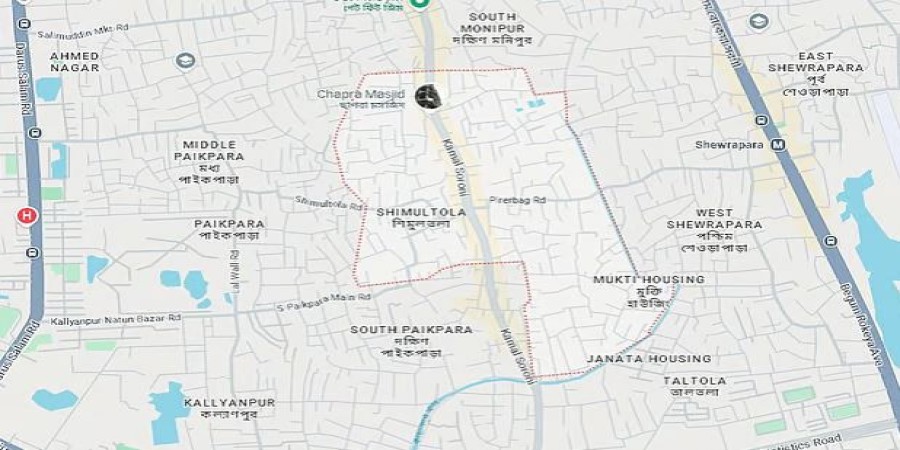
At least 15 people were reportedly injured in the Mirpur Pirerbag neighborhood on Tuesday afternoon as local activists aligned with the BNP and Jamaat-e-Islami engaged in heated altercations involving chasing, counter-chasing and brief scuffles amid competing outreach efforts tied to electoral campaigning and local organizational influence. According to local accounts, several women identifying themselves as Jamaat supporters were visiting homes to solicit votes when BNP activists confronted them, leading to verbal disputes and allegations that four of the women were detained inside a residence. The situation escalated when additional Jamaat and student-affiliate supporters arrived, culminating in physical altercations involving makeshift sticks and pushing. Police later described the incident as a “scuffle” rather than a full-scale clash and did not confirm serious injuries, though residents indicated that the number of affected individuals reached into double digits. Analysts suggested that the tensions reflect mounting competition between the two opposition-aligned groups over neighborhood-level control of campaigning, candidate influence, cadre mobilization and organizational visibility ahead of elections, despite ideological proximity or past political alignments. While the BNP and Jamaat have historically shared space within opposition blocs, the evolving electoral landscape has amplified differences in local leadership, resource allocation, and messaging strategies, turning streets and neighborhoods into contested political arenas. As both parties seek to energize supporters, demonstrate relevance and negotiate future power equations, field-level friction has become more common, particularly in Dhaka constituencies where micro-level dynamics—such as banner placement, door-to-door persuasion, and control of strategic intersections—carry symbolic weight. Residents expressed concern about stability and safety, noting that disruptions of this nature have become more frequent in pre-election periods and occasionally impact mobility, commerce and daily life. Although neither party indicated that the incident would alter campaign plans, the episode underscores a broader trend in which opposition factions must simultaneously defend turf, sustain visibility and navigate strategic alliances, all while responding to public expectations for discipline and unity. Observers noted that domestic politics has increasingly blurred the line between intra-opposition rivalry and electoral coalition-building, raising questions about longer-term coordination and post-election bargaining. Whether the Mirpur tensions will remain isolated or signal further competition across Dhaka remains uncertain, but they highlight the complexities of Bangladesh’s evolving political environment, where grassroots competition intersects with national narratives and diplomatic scrutiny.
reporter