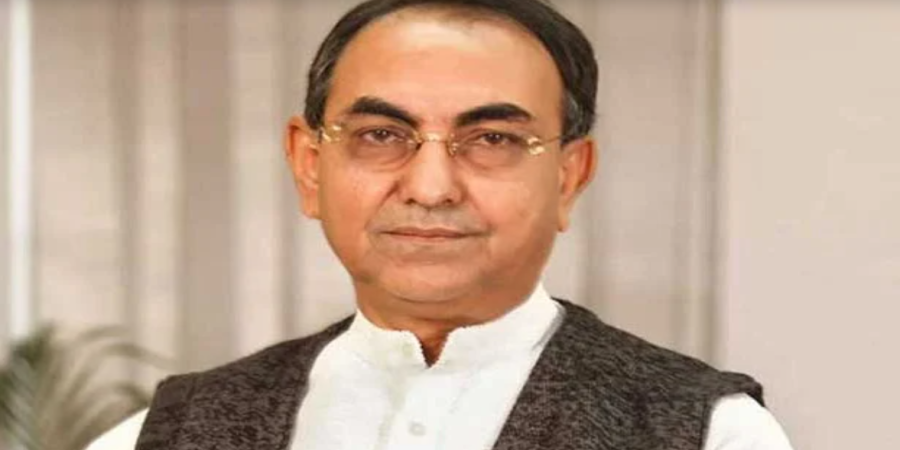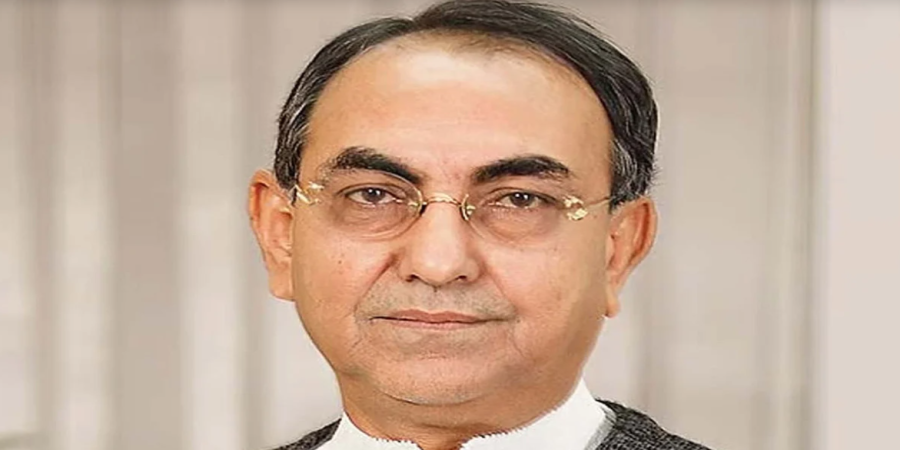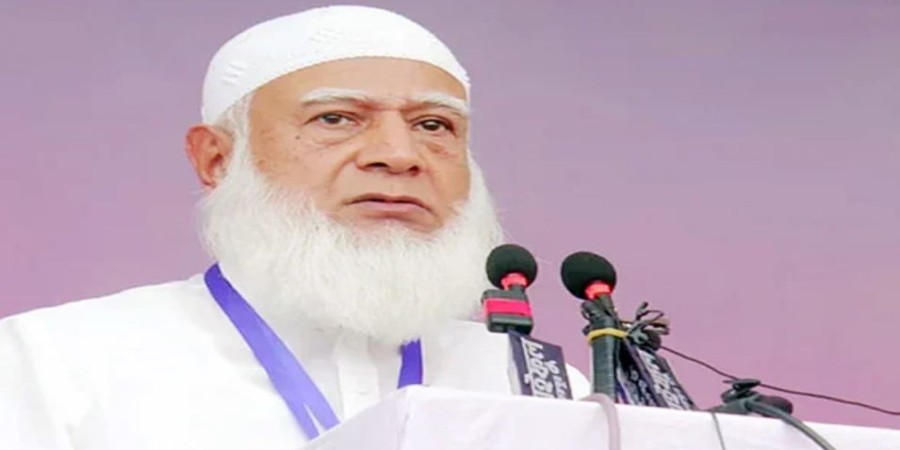
ছবি: ডা. শফিকুর রহমান
In anticipation of the upcoming thirteenth national parliamentary election, the leader of the Bangladesh Jamaat-e-Islami, Dr. Shafiqur Rahman, expressed optimism that the democratic process would unfold in a free, fair, and transparent manner, reflecting the collective will of the electorate and respecting constitutional values. Speaking at a policy summit in Dhaka attended by diplomats, representatives of political parties, business community members, and the media, he argued that the country’s democratic and institutional framework had been weakened over the past decade and a half, with governance characterized by centralized authority, diminishing accountability, and the erosion of public trust in state institutions. According to Dr. Rahman, national reconciliation and institutional reforms are essential for restoring democratic equilibrium, ensuring judicial independence, strengthening the rule of law, and enabling a robust anticorruption framework. He indicated that his party would be open to collaboration with any political force demonstrating genuine commitment to institutional reforms, policy transparency, and democratic accountability, adding that the development of an advanced and stable state requires cooperation that transcends partisan boundaries and includes citizens from diverse professional and social spheres. During the summit, participants discussed the electoral environment, the role of the Election Commission, administrative neutrality, and the importance of granting all competing parties equal access to the campaign field. Speakers noted that a competitive election would not only determine political power transitions but also offer an opportunity to rebuild civic trust, mitigate political polarization, and reinforce confidence among international partners observing Bangladesh’s political trajectory. Several diplomats commented on the relevance of peaceful transitions of power, regional geopolitical considerations, and the role electoral diplomacy plays in reinforcing stability and long-term development outcomes. Others drew attention to the broader need for a political culture that respects dissent, safeguards citizens’ rights, and ensures media freedom, arguing that strong democratic norms ultimately contribute to sustainable economic progress and social cohesion. In his concluding remarks, Dr. Rahman contended that credible elections serve as a mechanism for resolving internal political crises and enhancing the country’s international image, especially among development partners and foreign investors seeking predictability and policy continuity. He maintained that meaningful reforms, transparent governance, and accountable policymaking are prerequisites for poverty reduction, welfare expansion, and strengthening macroeconomic fundamentals in the years ahead. The event concluded with broader reflections on the necessity of political dialogue, institutional reforms, and national consensus to achieve long-term democratic resilience, with participants expressing hope that the upcoming election would foster a more inclusive and responsive democratic culture and open new avenues for collaboration, growth, and national advancement.
reporter