ছবি: সংগৃহীত ছবি
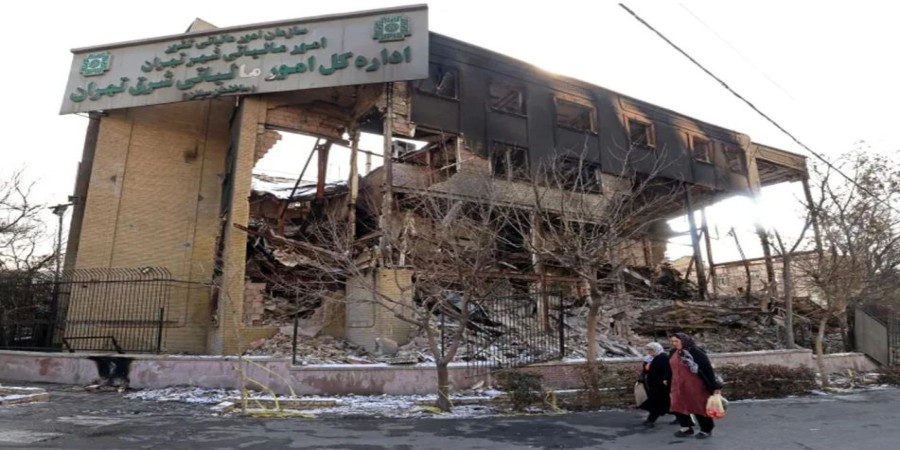
Iran is facing renewed scrutiny and international debate over the death toll from recent anti-government protests, as the government and human rights organizations present sharply conflicting figures. According to Iranian authorities, a total of 3,117 people have been killed during the wave of protests, unrest, and clashes, with 2,427 categorized as “martyrs” and 690 as “terrorist-rioters.” The government claims that the “martyr” category includes not only civilian demonstrators but also members of security forces, while those labeled as terrorist-rioters allegedly engaged in arson, vandalism, and attacks on government or military installations. Iranian officials argue that the higher number of martyrs ultimately proves that the state exercised restraint rather than excessive force, insisting that security forces acted with patience in the face of violent provocation. However, international human rights groups have rejected the official narrative and disputed both the classification of victims and the overall death toll. A U.S.-based monitoring organization reported that at least 4,560 people have been killed since the protests began, including 4,251 demonstrators, 197 security personnel, 35 minors under the age of 18, and 38 bystanders. These organizations allege that the heavy death toll resulted from disproportionate use of force, direct targeting of protesters, and tactics designed to intimidate the population. The dispute over numbers has intensified broader concerns about detentions, legal proceedings, alleged torture, and death sentences linked to the protests, prompting global calls for independent investigations and greater transparency. Political analysts note that the contrasting figures highlight not just statistical discrepancies but deeper disagreements about the nature of the unrest and the state’s response. Internationally, the issue has sparked renewed debate over Iran’s human rights record and could influence its geopolitical relationships, as several Western governments weigh new sanctions and diplomatic measures. Iran, for its part, maintains that foreign criticism reflects political motives and constitutes interference in its domestic affairs. Historically, protests in Iran have emerged from a blend of political demands, economic pressures, and social grievances, and the latest unrest follows that pattern with diverse groups taking part and rapid escalation into confrontations with state forces. Alongside clashes on the streets, a parallel information battle took shape as state media framed the protests as foreign-backed destabilization efforts, while rights groups argued they represented legitimate demands for civil liberties. The large divide between official and independent death tolls has underscored how opaque the situation remains, raising questions about the true scale and impact of the crisis. Families of those killed have demanded accountability and impartial investigations, though it remains uncertain whether such demands will gain traction amid heightened political tensions. With Iran simultaneously grappling with international pressure, economic strain, and domestic dissent, observers suggest the long-term implications of the protests may extend well beyond the immediate casualty figures, shaping future debates about governance, rights, and national stability.
reporter