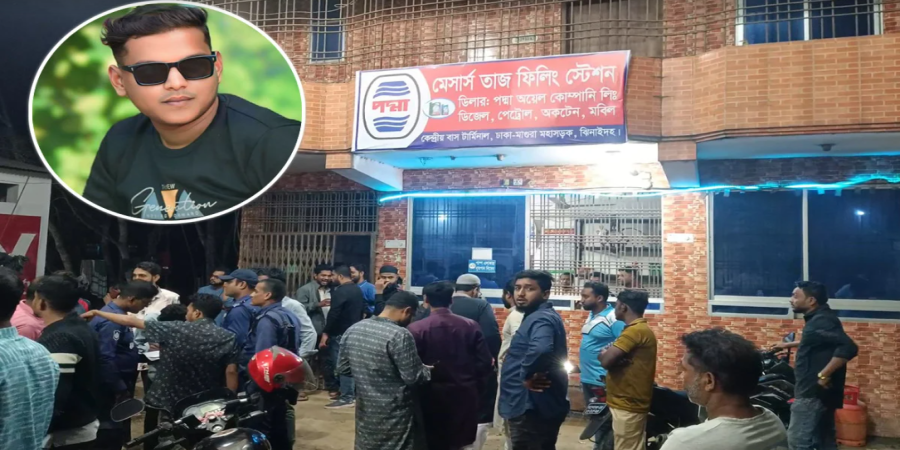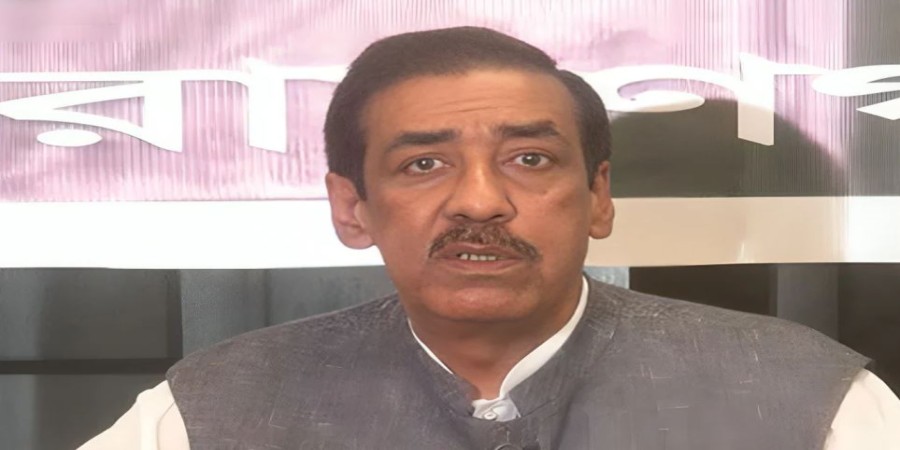
ছবি: ফাইল ছবি
Formal charges have been submitted against former lawmaker Shamim Osman, his son Ayon Osman and ten others in relation to alleged crimes against humanity committed in Narayanganj during the July uprising, marking a significant procedural advancement in one of the country’s most closely watched legal cases. According to the prosecution, the charges were filed on Monday before International Crimes Tribunal-1, outlining allegations of abduction, torture, coordinated assault and other violations that reportedly occurred amid intense political unrest and public resistance. Previously, in April of the preceding year, the Tribunal issued arrest warrants against eight individuals in the case and granted three months to complete investigative procedures, during which testimony from eyewitnesses, victims’ families and intelligence sources was compiled along with video, audio and documentary evidence. Legal analysts emphasize that the prosecution is positioning the case not merely as a politically charged dispute but as an inquiry into serious human rights abuses that fall under the jurisdiction of international humanitarian law frameworks, echoing the Tribunal’s historical engagement with war crimes litigation. The submission of formal charges has sparked renewed public debate, as the July uprising and subsequent violence had triggered widespread discussion across civic platforms and social media, with many questioning accountability, administrative response and the role of political actors in shaping the events on the ground. Human rights observers argue that the complaint underscores a broader shift toward legal scrutiny of episodes that, in previous periods, might have remained confined to political rhetoric rather than judicial determination. Should the Tribunal accept the submissions, the case will advance to the charge framing stage, initiating the formal trial process in which witness testimony, documentary materials and forensic evidence may be presented over multiple hearings. Commentators note that such proceedings are likely to place the conduct of political networks, organizational hierarchies and directives under analytical examination, raising questions about operational responsibility and chain of command. Meanwhile, legal experts caution that despite procedural progress, the timeline for adjudication remains uncertain due to the complexity of evidence and anticipated legal challenges from defense counsel once the case moves forward. The prosecution has stated that part of its objective is not solely to establish individual culpability but to illuminate the structural features and coordinated mechanisms underlying the alleged offenses, framing the case as an opportunity to reinforce standards of accountability. In Narayanganj, the developments have drawn local attention as families of affected individuals expressed cautious optimism, describing the submission of charges as a step toward long-awaited justice though acknowledging that judicial outcomes may still be distant. While no formal public statement has yet been issued by the accused regarding the Tribunal submission, political analysts believe that the case may carry broader implications for national political discourse and institutional expectations surrounding lawful conduct during periods of civil unrest. If approved for trial, the proceeding could become one of the most notable recent cases before the International Crimes Tribunal, adding to ongoing discussions about the place of international legal norms in domestic accountability processes. As the situation evolves, observers expect that the Tribunal’s approach to evidentiary scrutiny and procedural integrity will be closely monitored, particularly by human rights organizations and legal advocacy groups, with many viewing the matter as a test of the country’s willingness to address allegations of grave abuses through formal judicial mechanisms rather than informal political settlement.
reporter